
Why Restaurant Training is Harder Than Ever and Tips to Help
In today’s restaurants, training has to jump quite a few hurdles. We’ve reported on how staffing levels are still below pre-pandemic levels, and that’s not all; operators are dealing with higher turnover, short onboarding windows, managers with limited time to train, new technology, and customers who expect quality food at a low price.
So, when new employees have to learn quickly, operators and managers need training systems and products that are easy and fast to learn. The goal is to implement optimized training processes that take strain off labor resources and deliver consistently delicious pizza across shifts and locations. Let’s help you get there—keep reading!
Focus on Tasks that Lead to Mistakes
Before developing your refreshed training plan, identify the areas where new employees struggle most. That could include:
- Dough preparation and proofing
- Bake times, oven instructions, and frustrations like bubble and burn
- Entering orders properly
- Time management (especially during rushes)
- Managing mobile and delivery orders
Building training around the most common pain points helps employees train faster and avoid mistakes before they become habits. Plus, when employees make fewer mistakes, it builds their confidence and the team’s morale.
Turn Processes into Shift-Ready Training Tools
Once you and your team find a process that works, document it. Clear, easy-to-reference training tools help new employees get up to speed faster, reduce miscommunication, and make it easier for everyone to stick to the same standards. Training tools to try:
- Portion charts for sauce, cheese, and toppings, with photos of each finished recipe
- “First week” checklists by role, outlining what employees will learn each day and what they should feel comfortable doing after week one
- Quick-reference guides for common order modifications (i.e., vegetarian, high protein)
- Labeled tools and portion cups
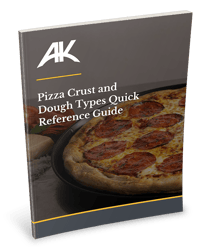
- Reference cards for ingredients, such as how to prep and bake different crust types
- Communication guides for customer-facing staff to help them answer common questions or concerns (i.e., allergen or calorie questions)
Pro tip: A training tool is only useful if it actually gets used. Make it succinct, visual, and specific—and keep it near relevant workspaces.
Test Alternative Training Styles: Blended Learning and Games
Many restaurant operators do in-person training or online training, but blending both styles can make the process faster. A blended learning approach provides hands-on teaching while also letting workers review online tools at their own pace. According to QSRweb, blended learning can reduce actual instruction time by 60%.
Effective digital training resources include:
- Short training videos for essential tasks
- POS training modes or practice orders
- QR codes that link to station guides
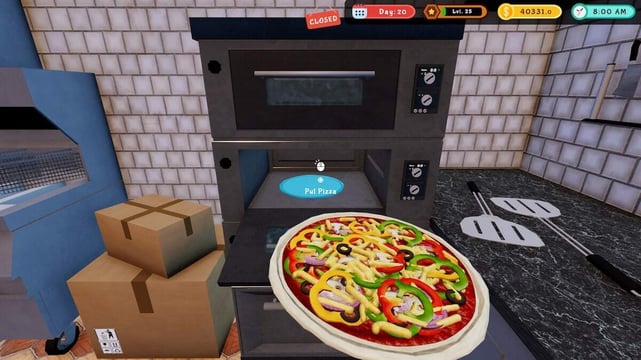
Another alternative training strategy is gamification. The idea is to make training fun and goal-oriented to boost engagement and enthusiasm. One option we love is to play a restaurant simulation game in which new employees practice real-world scenarios in a low-pressure way. Or you could help employees learn the menu through online quizzes.
While the new hires are training, your more experienced crew could also compete for points or small prizes, transforming refresher training into team-building.
Cross-Train with a Purpose
Cross-training helps employees better understand each other’s roles, responsibilities, and pain points. It can also help operators make better use of downtime, cover shifts more easily, and keep service moving when certain stations get backed up.
But if you don’t have a clear strategy, cross-training becomes overwhelming for managers who are already busy. Here’s how to keep it focused and practical:
- Start with adjacent skills before moving employees into a completely different role
- Create a skills matrix so managers can quickly see who is trained on what
- Choose new skills based on employee interest, when possible, since people are more likely to master what they’re excited to learn
- Pair newer employees with experienced top performers who can model the right process
Use Roleplaying for Customer Service Training
Roleplaying gives new employees a chance to practice common customer interactions before they happen in real time. By pairing newer team members with experienced, customer-focused employees, operators can help them build confidence, empathy, and problem-solving skills. And, it provides newbies with a lower-stress opportunity to practice before they’re on the spot with a real customer. Practice situations like:
- Handling orders: Simulate taking orders accurately and entering them into the POS system correctly
- Dealing with complaints: Simulate situations where customers are unhappy; give pointers on diffusing tension and resolving conflict
- Charming the customer: A warm, positive demeanor goes a long way in foodservice, but it takes practice to balance friendliness with efficiency
- Upselling techniques: Roleplay simple ways to suggest appetizers, new dishes, desserts, specialty drinks, or add-ons without being pushy.
Stock Products that Make Training Easier and Faster
You and your managers are busy. But even while you’re onboarding new employees, working with lean teams, or making the most of inadequate training time, you still need to put out great pizza consistently.
One way to make training easier, faster, and error-free is to reduce the number of steps new employees have to master. Ready-made crusts, sauces, and other convenient pizza products can simplify training and help teams preserve consistency across shifts and locations.
At AK Pizza Crust, we offer products designed to help operators save time and reduce the room for mistakes, including:
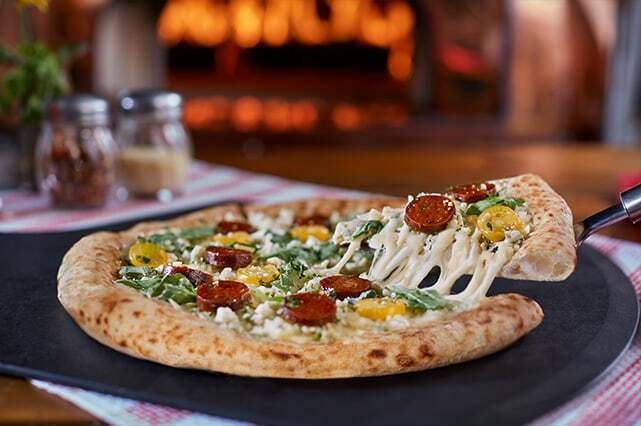
- Par-baked crusts: Tasty, proven crusts that go from the freezer right into the oven
- Frozen dough balls: Pre-portioned dough balls that make proofing simple
- Cheese blanks: Pre-sauced, cheese-topped crusts that help teams stay ready for rushes
- Prepared sauces: Sauces made from authentic recipes that reduce flavor variation
Contact our pizza people to develop your custom, training-friendly pizza program.